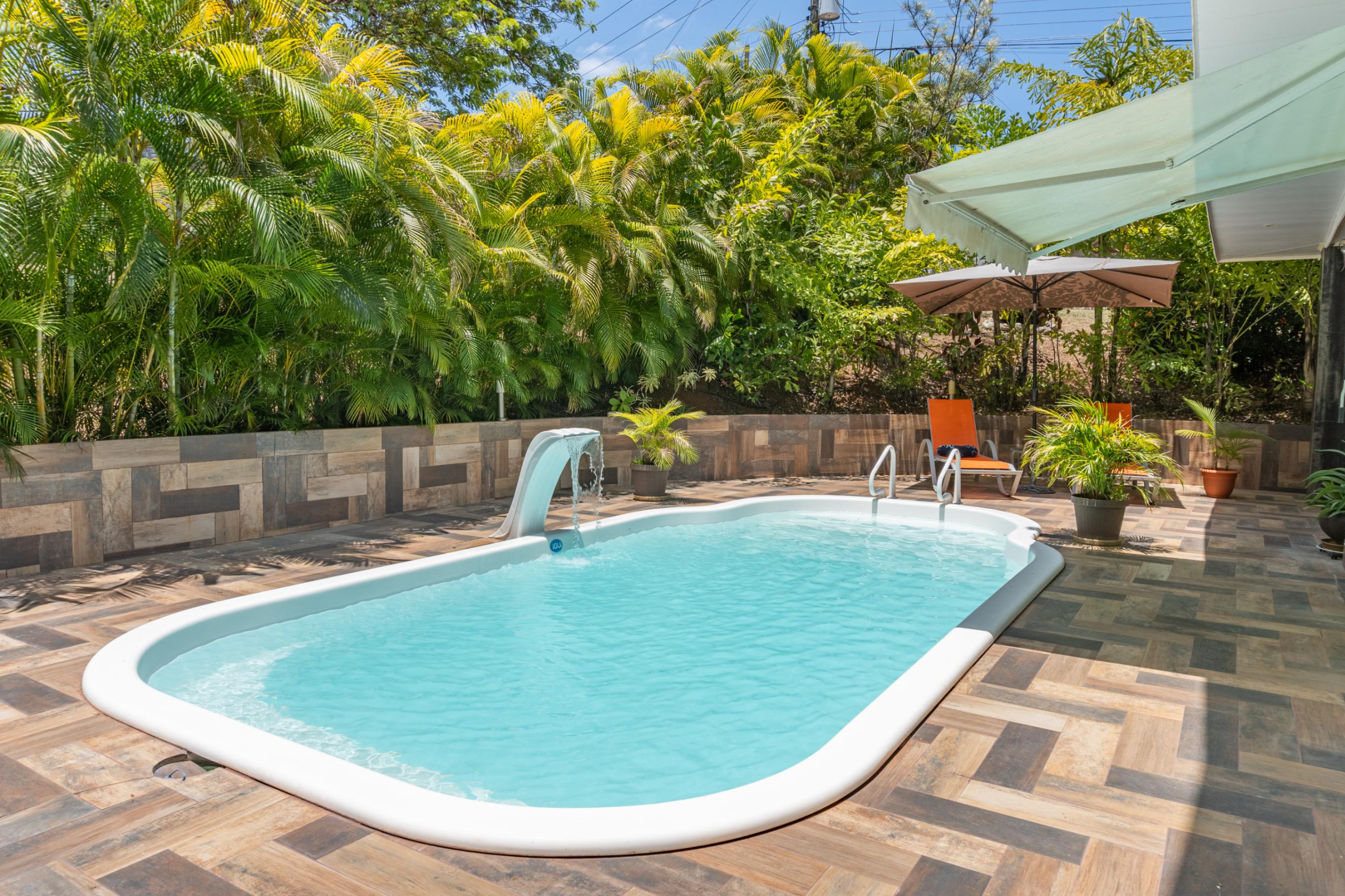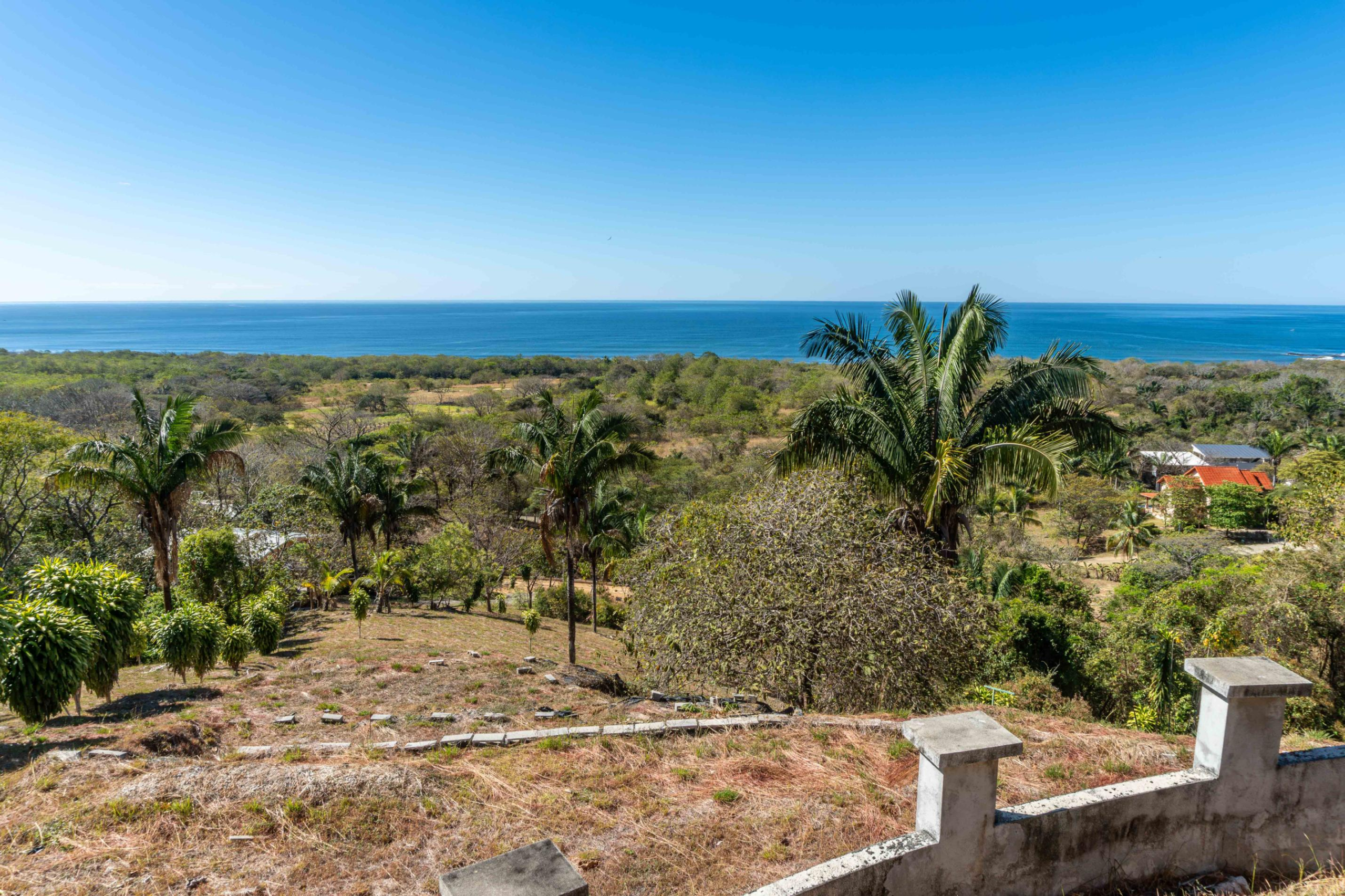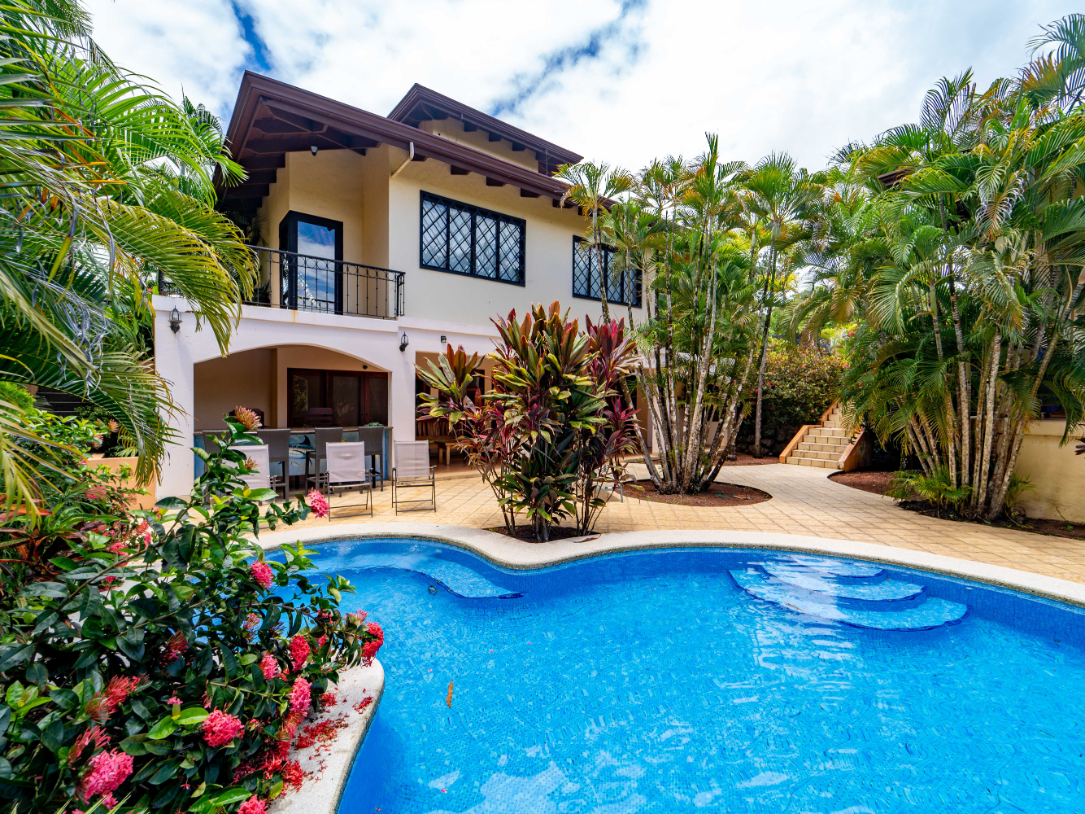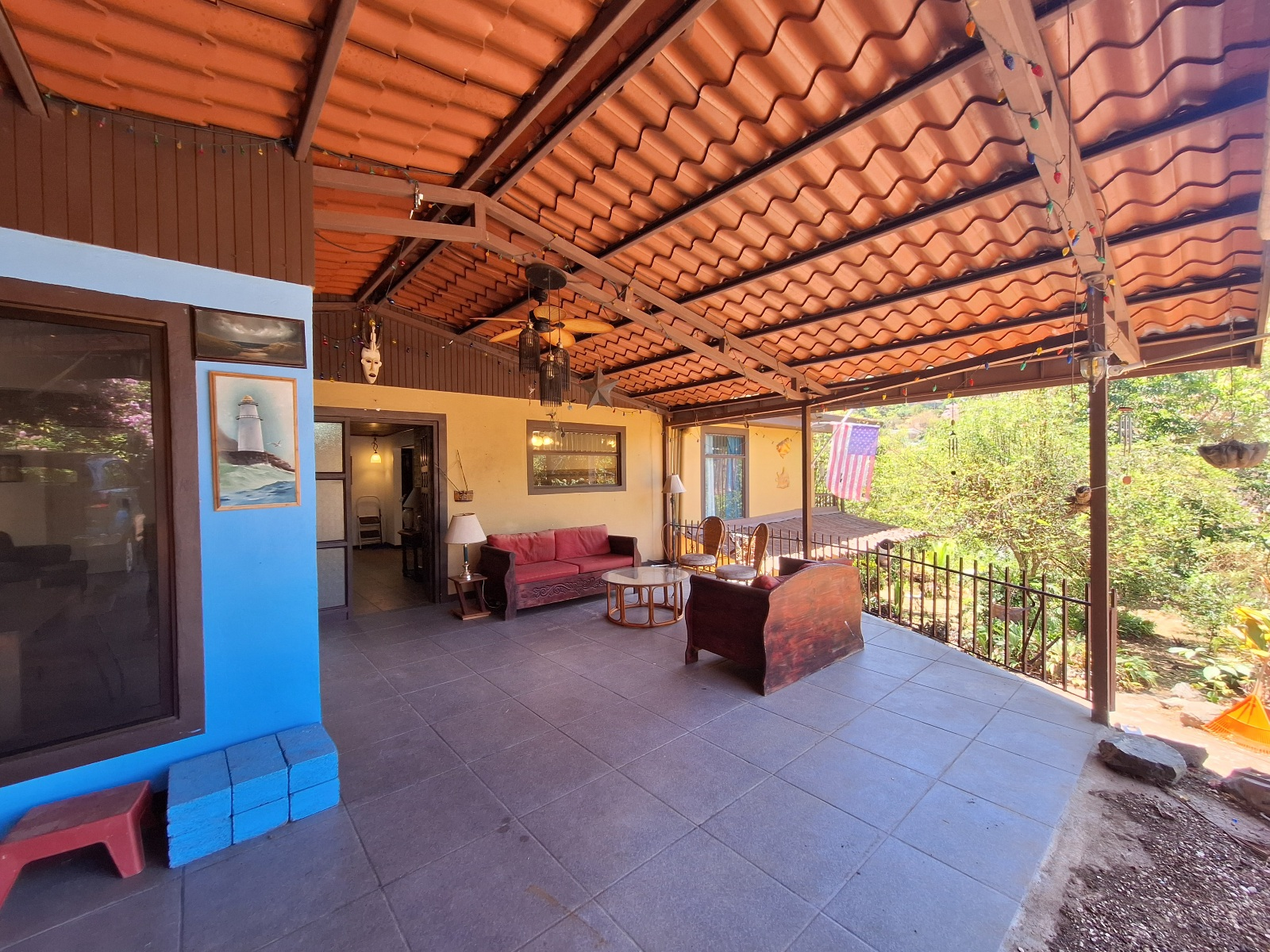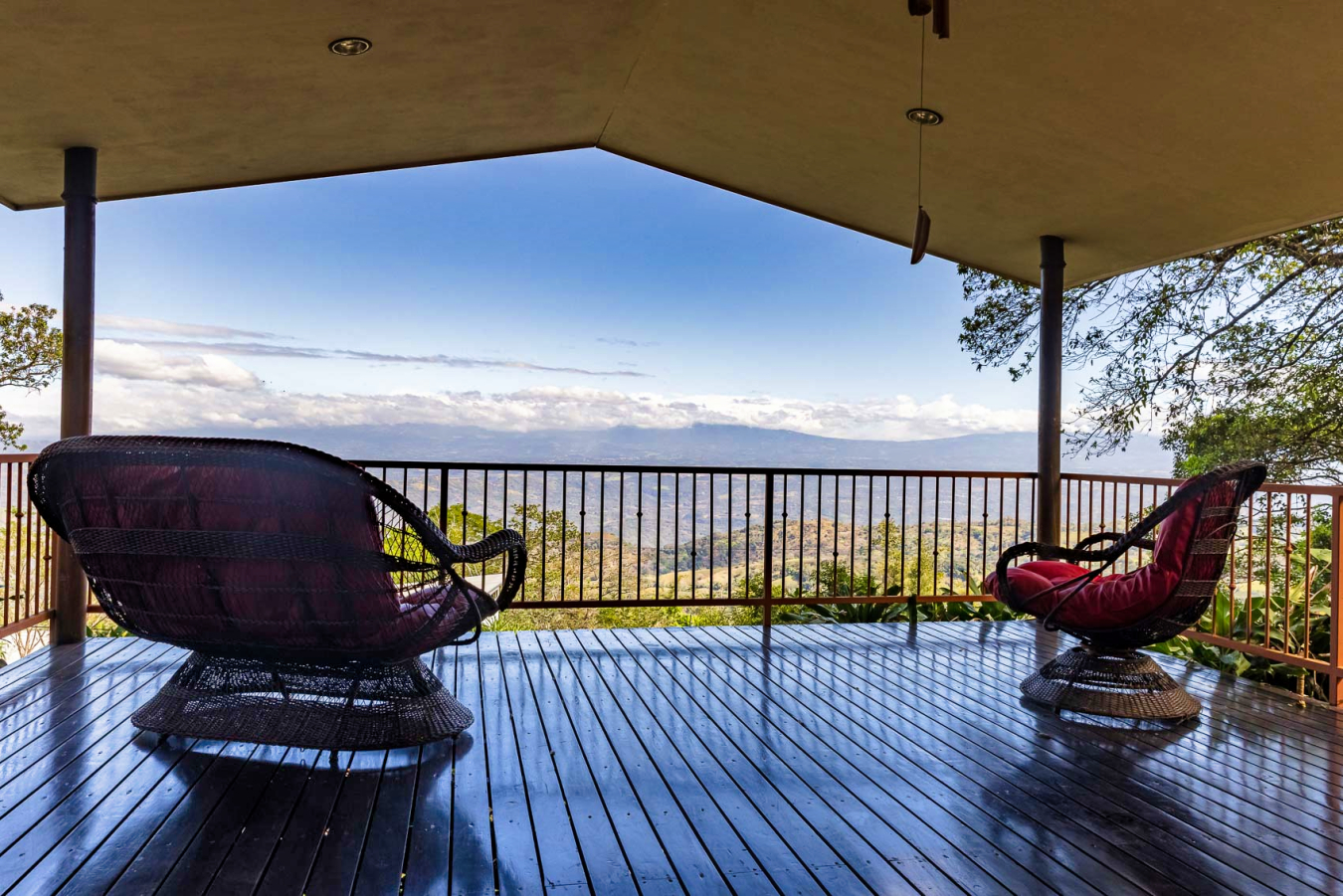

Buying a home or a property in another country is one of the most exciting and daunting things you’ll ever do, which is why we created these home buyer resources for expats. With so many choices to make and so much at stake, it’s essential that you be prepared. Our industry professionals want to share information with you, so you can ace your home-buying adventure without a hitch.
Before you even start looking for homes in Costa Rica, there are some basic issues you want to cover. Check out these secrets from industry professionals to find your dream home, and land a loan if you need one. Our real estate blogs offer hundreds of articles on many topics that you can check out. But below, you’ll find some information that doesn’t take up much of your time, so that’s a great start.
Moving to Costa Rica and residency
Moving to another city in your own country is quite a job and moving to another country is a big step. You will also need to get legal residency to be allowed to live here unless you want to come as a perpetual tourist. Stay informed about the latest tips on shopping.
Can a foreigner buy a property?
Yes, every foreigner can buy and sell a property in Costa Rica. I wrote this 19-step guide for foreign real estate buyers, so it’s easy to learn what you can do and whatnot.
Real estate
If you’re interested in diving a little deeper into how buying and selling real estate functions here, I suggest you can follow up with some of the blogs in Real Estate Topics. and how you can obtain legal residency by buying a property.
Where to buy or rent
Do not start looking at properties before you have visited all the interesting places where you can live in our country. Did you know we have over 800 miles of coastline? Can you imagine how many beaches we have?
Oh, sorry, you’re not interested in living on a beach. Well, there are an amazing amount of locations to check out in the Central Valley and even outside the valley. Be smart, follow our 20 steps on learning where to live, and then send us the answers so we can recommend the right places to visit. The best recommendation we can give you is to do your homework before you purchase or rent anything.
 Beach Property in Costa Rica
 Beach Property in Costa Rica
You’ll love our Home Buyer Resources for the beach areas, as we have affiliate partners in the best beach areas on every coast. Here is a blog about the 24 best beach towns we have.
Please be aware of the issues there might be on properties in the Maritime Zone.
You need to be well informed on what is important and about life at the beaches before you commit to a purchase of beach properties.
Golf
If you are a golf player, it’s good to know that we have agents located around every golf course. Learn more about your options for buying golf property.
Buying a Business or commercial property
Are you starting a business or buying an existing one? Why not request the assistance of a professional real estate agent or broker before and during the purchase or rental of commercial property?
Should you incorporate when buying a property or not? Is a property you want already in a company name? Talk to your lawyer about that.
You will also want to know all you need to know about having employees.
Investing
Invest in properties but inform yourself about investment options and common mistakes before you do so.
Banking
Looking to open a bank account? First, check on our information here before you go to the bank.
Construction
The articles that you will find on Construction and Home Inspection might be interesting for you if you want to build your home. Also, we recommend you order a home inspection before you buy a home, with or without construction.
Financing and mortgages
If you are moving to Costa Rica and are considering financing your new home, here are some First-Time Home Buyer Resources for Expats you must consider before applying for a mortgage. Finding financing for your business or your home purchase as a non-resident is complicated. Costa Rican banks only finance the home purchase for a citizen or a resident. Therefore, you might have to look for other ways of financing your vacation home for example. There is also a lot of information on how to open a bank account.
Using IRA or 401 (k) to buy Real Estate
 Using IRA or 401 (k) to buy Real Estate
Did you know you can purchase real estate with your retirement funds? You can roll over your IRA or 410 (k) and purchase a property as an investment.
Our network offers you a great way to beat the ups and downs in the stock market, diversify your portfolio, or provide a stable income as you transition from riskier investments.
Costa Rica Living
Knock yourself out by checking our Home Buyer Resources for expats. Before you move to our beautiful country, you should read about living in Costa Rica. These articles are very informative about day-to-day experiences so you can be ready for an eventual culture shock.
If you don’t know where to live in our beautiful country, you can follow our Communities blogs, and stay informed.
Renting
You don’t want to buy, but rent? No problem, but then you should learn all you can about renting in Costa Rica.
Legal
 Legal
LegalMost who have bought real estate in other countries have never needed to bother with any legal issues because the title company took care of it. We don’t use title companies for our closings, as they don’t exist. Real estate works quite differently here than it does in other countries. These blogs update you about legal issues like an option to purchase-sale agreement, the use of escrow, real estate closings, corporation tax, and other real estate-related issues. If you need legal assistance, we can recommend awesome lawyers.
Some people who plan to move here are afraid to get bored. It is not necessary to become a beach bum or an alcoholic when you move to Costa Rica. There are plenty of things to do to update you on all the things we know can keep you busy and enjoy yourself.
Health and Medical Services
There are many interesting articles that explain all about hospitals, health issues, doctors, and medical services.

Taxes
Just like back home, we all need to pay taxes. If you don’t work or don’t have any Costa Rican income, you’re free of paying income tax and we don’t have capital gain tax either.
But you need to be up to date on which taxes you do have to pay and the ones you have to pay back home when you’re an ex-pat.
The weather
And last but not least, one of the main reasons you are planning to move here, right? To find out all you need to about the weather here.
Contact us here for any questions you might have or if you are ready to buy a property with our assistance.